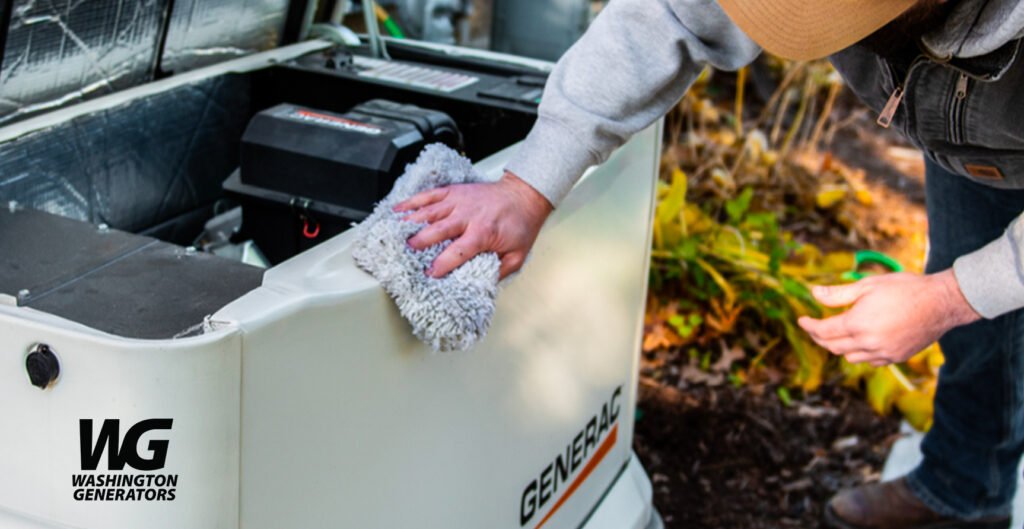
When the grid falters, or reliable power is simply out of reach, industrial generators stand as silent guardians, ready to bridge the gap and keep operations running. But like any complex machinery, these powerhouses demand attention. Mastering the Maintenance, Servicing & Longevity of Industrial Generators isn't just about preventing downtime; it's about safeguarding investments, ensuring safety, and optimizing performance for years to come. Think of this as your definitive guide, penned by someone who’s seen countless generators both thrive under meticulous care and falter from neglect.
At a Glance: Your Generator's Lifeline
- Proactive vs. Reactive: Understand that maintenance prevents problems; repair fixes them. Focus on prevention.
- The Big Five: Your generator's engine, alternator, fuel, cooling, and control systems are the stars of the show.
- The Numbers Game: Kilowatt output, frequency stability, and voltage regulation are key technical parameters to constantly monitor.
- Load Testing is Gold: Don't just run it; test it under real-world loads to ensure it performs when it truly matters.
- Documentation Matters: Keep meticulous records for warranties, troubleshooting, and regulatory compliance.
- Expert Eye: Know when to call a certified technician – and what to look for when choosing one.
What Makes Your Industrial Generator Tick?
At its heart, an industrial generator is an intricate system designed to convert mechanical energy into electrical power. When we talk about servicing, we're focusing on keeping every one of its critical components in perfect sync: the robust engine, the power-generating alternator, the precise fuel system, the efficient cooling system, and the intelligent control system. Preventive maintenance isn't just a checklist; it's a commitment to routine checks of fluid levels, the integrity of hoses and belts, and the security of every connection. It's about ensuring that the moment you need it, your generator responds without hesitation.
Scheduled Maintenance: Your First Line of Defense
Imagine ignoring the oil changes on your car. Eventually, you'll face a much bigger problem. Similarly, routine inspections of oil levels, battery conditions, and air filters on your industrial generator are non-negotiable. These simple, scheduled checks are your best bet for catching minor issues before they escalate into costly failures, guaranteeing every component operates as intended.
Load Testing: Proving Your Generator's Mettle
It's one thing for a generator to start, and another entirely for it to perform under duress. Load testing validates your generator's true capacity to meet electrical demands under actual usage conditions. By simulating the full load your facility might place on it, you ensure continuous, reliable operation precisely when you need it most. It's the ultimate stress test that reveals potential weaknesses before an emergency does.
Technical Parameters: The Numbers That Matter
For optimal and efficient operation, you need to speak your generator's language, and that language is data. Monitoring kilowatt output, ensuring frequency stability (whether it's 50 or 60 Hz), and maintaining voltage regulation within specified limits are crucial. These technical parameters aren't just arbitrary numbers; they are the vital signs of your generator's health, directly impacting the safety and performance of all connected equipment.
Beyond Just Power: The Real Rewards of Regular Generator Care
Maintaining your industrial generator isn't merely about avoiding breakdowns; it's a strategic investment that pays dividends across your entire operation. A well-cared-for generator provides a steady power supply and offers a host of other advantages that impact your bottom line and peace of mind.
Unwavering Dependability: Power When You Need It Most
In the world of industrial operations, "uninterrupted" is the gold standard. Routine check-ups and load testing act as your generator's bodyguard, fending off potential breakdowns. This diligence ensures that when the utility grid goes dark, your generator steps up instantly, delivering power exactly when and where it's needed, every single time. It's the bedrock of business continuity.
Fuel Efficiency: Smarter Operations, Lower Costs
An industrial generator running seamlessly—with its engine, alternator, and control units all operating in perfect harmony—isn't just a reliable machine; it's an efficient one. This smooth operation extends the overall life of the equipment and, critically, optimizes fuel use. Every gallon of diesel or cubic foot of natural gas goes further, translating directly into tangible cost savings and a greener footprint.
Significant Savings: Spotting Trouble Before It Breaks the Bank
Think of early fault detection as having a crystal ball for your generator. Regular inspections and vigilance on technical outputs, like consistent kilowatt readings and frequency stability, allow you to identify minor issues before they snowball into major, costly repairs. This proactive approach drastically reduces operational expenses and avoids the crippling financial impact of unexpected, extensive overhauls.
Safety First: Protecting Your People and Property
Safety is paramount, and a well-maintained generator is a safe generator. Regular services meticulously check for potential hazards, addressing issues like fuel leakages or faulty wiring before they can cause dangerous incidents. This creates not only a reliable power source but also a secure working environment for everyone on site. Remember, critical parameters like Power Nameplate Watts, Frequency Stability, and Voltage Regulation are not just about performance; they're about preventing dangerous power fluctuations and equipment damage.
Maintenance vs. Repair: Understanding the Crucial Difference
Many operators mistakenly conflate maintenance with repair, but they are fundamentally distinct approaches to generator care. Grasping this difference is key to long-term operational success.
Proactive Vigilance: The Core of Maintenance
Maintenance is all about prevention. It's the art of proactively avoiding problems through scheduled inspections, diligent cleaning, and meticulous tightening of connections. This includes regular checks of engine oil, assessing the condition of belts and hoses, and ensuring all electrical systems are sound. It's the foresight that keeps potential issues at bay.
Reactive Solutions: What Repair Entails
Repair, on the other hand, is reactive. It steps in after a problem has manifested. This could involve replacing damaged parts, fixing a leak, or troubleshooting a system malfunction. While sometimes unavoidable, a robust maintenance program significantly reduces the frequency and severity of necessary repairs.
The Importance of Technical Measurement
In both maintenance and repair, technical measurements are your objective guide. During maintenance, you're targeting engineer-designated limits for kilowatt output, frequency stability, and voltage regulation as key performance indicators. For example, a decreasing kilowatt rating might prompt a routine oil or filter change as part of maintenance. However, if you find ineffective voltage regulation, that's a repair signal, potentially requiring adjustment of junctions or a reset of the control system. These indicators tell you whether you're preventing a problem or actively solving one.
Your Step-by-Step Guide to Proactive Industrial Generator Maintenance
Performing preventive maintenance isn't rocket science, but it does require diligence and a systematic approach. Here's how you can keep your industrial generator in peak condition.
Visual Inspections: Your Eyes Are Your First Tool
Make a habit of regular, thorough visual checks. Look for tell-tale signs: any oil leaks, abnormal vibrations that weren't there before, or obvious wear and tear on hoses, belts, and other visible components. A keen eye can spot minor issues before they become major headaches.
Fluid Management: The Lifeblood of Your Engine
Just like your car, your generator relies on clean, correctly leveled fluids. Regularly revise and replace engine oils and coolants precisely according to your manufacturer's recommendations. This ensures optimal lubrication, prevents friction-related wear, and maintains the engine's critical temperature balance.
Battery and Electrical Health: Ready for the Start
The battery is your generator's instant starter, so its health is paramount. Regularly test the battery's charge and inspect its physical condition. Ensure all connections are meticulously clean and securely fastened to prevent starting failures. Don't forget to test the broader electrical system for any potential wiring issues or component malfunctions.
Fuel System Integrity: Keeping It Clean and Flowing
For diesel generators, maintaining the fuel storage and filtration system is critical. Diesel fuel is notorious for contamination, which can lead to clogged filters and engine issues. Ensure your fuel is clean and free of water or sediment to guarantee a consistent, pure supply to the engine.
Load Testing: The Ultimate Performance Review
Regular load testing isn't just a suggestion; it's a vital part of preventive maintenance. By running your generator under various load conditions, you confirm its capacity and meticulously measure kilowatt output, frequency stability, and voltage regulation. This confirms that your generator is not just "working," but performing exactly to specification when it's under real-world pressure.
Why Skipping Routine Inspections is a Costly Mistake
Routine inspections are the backbone of smart generator management. They provide foresight, allowing you to anticipate and resolve potential problems before they lead to costly disruptions and expensive emergency repairs. Procedures are straightforward, focusing on crucial elements like oil levels, the efficiency of cooling systems, battery condition, and fuel integrity.
Monitoring Key Technical Parameters
During these inspections, your focus should be on critical technical parameters. Is the oil viscosity within optimal range? What's the coolant temperature reading? Are the battery levels robust? All connections must be firm, and components should precisely meet manufacturer specifications. Deviations here are early warning signs.
Leveraging Remote Monitoring Systems
In today's interconnected world, modern generators often come with remote monitoring capabilities. Experts strongly recommend utilizing real-time systems for early fault detection. These systems fit perfectly into a predictive maintenance strategy, allowing you to address issues remotely and often before they impact operations.
The Power of Documentation
Never underestimate the value of meticulous record-keeping. Documenting every inspection, test, and service not only helps you meet warranty requirements but also creates a invaluable historical log. This data empowers you to respond more effectively to future issues, track performance trends, and prove due diligence.
Crafting Your Generator's Tailored Maintenance Blueprint
A one-size-fits-all approach doesn't work for industrial generators. Developing a customized maintenance plan, tailored to your specific equipment and operational needs, is crucial. This plan should clearly outline regular inspection schedules and laser-focus on key technical parameters.
Essential Parameters to Track
Your maintenance blueprint should prioritize these critical readings:
- Oil Viscosity and Levels: Proper lubrication is paramount for engine health. Correct oil amounts and viscosity ensure smooth running and significantly minimize engine wear, extending its lifespan.
- Coolant Temperature: Overheating is an engine killer. Meticulous monitoring of coolant temperature is essential for preventing catastrophic engine damage and ensuring efficient performance.
- Battery Voltage Levels: For emergency standby generators, efficient starting is non-negotiable. Close monitoring of battery voltage levels ensures that your generator is always ready for an instantaneous, efficient start.
- Fuel Quality: Clean, contaminant-free fuel is vital for consistent operation. Keeping fuel quality pristine, especially for diesel, drastically improves operating capability and extends your generator's life.
When to Call in the Experts: Recognizing Repair Signals
While regular maintenance helps prevent many issues, some problems demand the expertise of a professional technician. Knowing when to escalate from routine checks to a repair call can save you time, money, and further damage.
Look out for these clear signs that your generator needs professional repair:
- Strange or unusual sounds coming from the unit.
- Failure to maintain steady power levels, leading to flickering lights or inconsistent equipment operation.
- Frequent circuit cutoffs or tripping breakers.
- Inability to initiate a start when called upon.
- Unexpected shutdowns during operation.
Interpreting Technical Red Flags
These operational symptoms often correspond to specific technical parameter deviations:
- A significant drop in oil viscosity suggests inadequate lubrication, increasing wear.
- Persistently high coolant temperatures are a clear indicator of cooling system issues that could lead to engine damage.
- A sudden and unexplained change in battery voltage directly affects starting efficiency and reliability.
- Polluted fuel mixtures can cause serious engine malfunction, manifesting as poor performance or complete failure.
When you notice these indicators, it's time to bring in a specialist.
Finding Your Trustworthy Generator Field Service Expert
When your industrial generator needs more than just routine care, choosing the right field service technician is paramount. This decision impacts not only the repair's quality but also your generator's long-term reliability and your operational continuity.
Key Qualities to Look For
Don't just pick the first name in a search engine. Evaluate technicians based on:
- Experience with Generators: Look for expertise specific to your generator model and brand. Industrial generators are complex, and generic knowledge isn't enough.
- Certification and Training: Confirm that technicians hold relevant certifications and undergo continuous training. This ensures competence and adherence to the latest industry standards and safety protocols.
- Service Guarantees: A reputable service provider will offer warranties on their repairs and parts. This demonstrates confidence in their work and provides you with peace of mind.
- Response Time and Availability: In an emergency, every minute counts. Inquire about their typical response times and their availability for urgent call-outs, especially outside of regular business hours.
- Transparent Pricing: Demand clear, upfront payment plans. Avoid technicians who are vague about costs or present unexpected charges after the work is done.
Handling Emergency Standby Situations: A Specialist's Touch
For emergency standby situations, a technician isn't just fixing a machine; they're restoring critical operations. The right expert will demonstrate:
- Emergency Standby Experience: They should have a proven track record with your generator model and demonstrate effective methods for handling difficulties that arise during emergencies.
- Time Efficiency: Their capability to fast-track repairs and minimize downtime is crucial. Every hour without power means lost productivity or revenue.
- Preventive Maintenance Management: The best technicians not only fix but also advise on how to implement or refine preventive maintenance strategies to minimize future power supply intrusions.
- Easy Access to Replacement Parts: Rapid access to necessary components is vital during emergencies. A technician with established supply chains can significantly cut repair times.
- Feedback: Expect timely and clear feedback on recent changes, how emergencies were resolved, and specific measures performed. This keeps you informed and helps you understand your generator's health.
Anticipating and Overcoming Common Industrial Generator Challenges
Even with the best maintenance, industrial generators can face specific challenges. Understanding these common issues and having a strategy to address them is key to truly maximizing their longevity. If you're looking for a broader overview of the equipment itself, consider Your guide to industrial generators.
Navigating Power Outages and Minimizing Risks
Power outages are inevitable, but their impact on your operations doesn't have to be. A proactive strategy involves:
- Intrusion Assessment: Identify specific outages linked to your operations, understand your critical system dependencies, and assess your current resilience.
- Installation of Active Back-Up Power: Ensure your generators are sized correctly to consistently meet critical power requirements and are periodically tested under load to verify their readiness.
- Formulating a Strategic Plan: Develop a comprehensive emergency response protocol to reduce downtime, and review it regularly. Crucially, match generator output ratings to your exact load requirements, consider fuel type efficiency for potential long durations, and integrate an Automatic Transfer Switch (ATS) for swift, automatic switching between grid power and generator power.
- Training and Communication: Train your team on emergency procedures and communicate plans clearly to enhance responsiveness and safety.
Demystifying Critical Power Failures
Critical power failures can halt production, compromise safety, and cost millions. Preventing them hinges on several factors:
- Dependability of Backup Systems: Your generators must be meticulously maintained and their performance regularly assessed through testing.
- Load Rating: Ensure your backup generator is appropriately sized to support all critical operations without being either overused or underused.
- Fuel Costs and Availability: This is critical for long operational periods. The type of fuel you use directly impacts both availability and ongoing costs.
- Fast Changeover: Implement an Automatic Transfer Switch (ATS) for automatic and seamless switching between main power and backup power during an outage.
- Consistent Training and Communication: Staff preparedness is non-negotiable. Regular training on emergency actions ensures a swift and coordinated response.
Diesel vs. Natural Gas: Fueling Your Decision
The choice between diesel and natural gas generators often comes down to a trade-off between availability, maintenance needs, and environmental concerns.
- Reliability and Maintenance: Diesel generators are renowned for their reliability but can be prone to fuel contamination, necessitating routine fuel system service. Natural gas, being a cleaner fuel, generally produces less waste and may require less extensive engine repair. Both types, however, must be regularly tested to perform reliably under stress.
- Load Capacity Considerations: Both diesel and natural gas generators are available in various sizes and power outputs. It's crucial to measure your total power demand accurately to ensure your chosen generator exceeds peak loads. For natural gas, you also need to factor in input availability and pressure from your utility.
- Fuel Availability and Efficiency: Diesel fuel storage is relatively straightforward, but supply chains can face constraints during widespread emergencies. Natural gas, accessed via pipelines, offers a continuous supply but can be vulnerable to infrastructure issues. While diesel is often more energy-efficient per unit of fuel, natural gas typically has lower operating costs and emissions over time.
- Environmental and Regulatory Compliance: Natural gas is inherently more eco-friendly, producing significantly less carbon and fewer particulate emissions. When making your choice, always assess local environmental regulations and emissions standards, as these can heavily influence the viability of either option.
Mastering Your Standby Generator's Scheduled Maintenance
Scheduled maintenance for your standby generator isn't a luxury; it's a necessity. It’s the structured approach to ensuring your critical backup system is always poised for action.
The Indisputable Benefits of Planned Care
Regular, planned maintenance ensures proper operation, prevents expensive reactive repairs, and crucially, prevents power interruptions during critical moments. It enhances safety by addressing potential hazards and helps you meet legal and insurance requirements. This proactive approach typically involves routine checks on oil levels, fuel systems, battery and wiring integrity, and regular load bank tests. When developing your plan, justify parameters based on operational settings—consider your typical load pattern, the specific fuel type your generator uses, and any relevant legislation. Equip your staff with the necessary skills and establish detailed logs for all actions.
Coordinating with Your Power Service Provider
Effective maintenance often involves external experts. To ensure a smooth process:
- Maintenance Timing: Plan maintenance tasks during periods of least generator use or during scheduled operational breaks to minimize disruption.
- Technical Expertise: Verify that your chosen vendor is specifically qualified for your generator model and fuel system. Don't assume all technicians are equal.
- Record Keeping: Maintain meticulous logs of all maintenance tasks performed. This is vital for warranty claims, future troubleshooting, and demonstrating due diligence.
- Safety Protocols: Always comply with stringent safety measures to protect personnel and equipment during any maintenance activity.
Ensuring Your Backup Power is Always Ready to Go
The ultimate goal of all this diligence is simple: to ensure your backup power is always available, reliable, and ready to kick in at a moment's notice.
Consistent Checks and Proactive Solutions
Regular maintenance checks aren't just about identifying existing problems; they're about foreseeing and resolving potential issues before they ever become critical. Schedule these checks strategically, ideally around operational breaks, to minimize any impact on your day-to-day business.
Smart Fuel Management Practices
Fuel is the lifeblood of your generator. Maintain fuel within optimal limits, ensuring you have enough for extended run times without overfilling. For diesel, consistent fuel rotation and treatment are essential to improve quality and prevent degradation or contamination that can compromise engine performance.
Robust System Testing Protocols
Occasional load tests are good, but a comprehensive system testing protocol is better. This involves not just running the generator, but simulating actual power failure scenarios. Standardized procedures for component testing ensure that every part of your system—from the ATS to the engine—is verified to operate correctly in real-world conditions. This meticulous approach guarantees that when the grid goes dark, your generator shines brightest.
Your Next Steps to Uninterrupted Power
You now have a robust understanding of what it takes to extend the life, reliability, and safety of your industrial generators. This isn't just theory; it's a playbook for operational excellence. Don't wait for a power outage to remind you of your generator's importance. Start by reviewing your current maintenance schedule, assessing your team's training, and ensuring your documentation is up to date. If you haven't recently performed a comprehensive load test, now is the time. Partner with certified professionals to bridge any knowledge gaps and conduct specialized diagnostics. By embracing proactive maintenance and expert servicing, you're not just maintaining machinery; you're investing in the unwavering continuity of your operations.