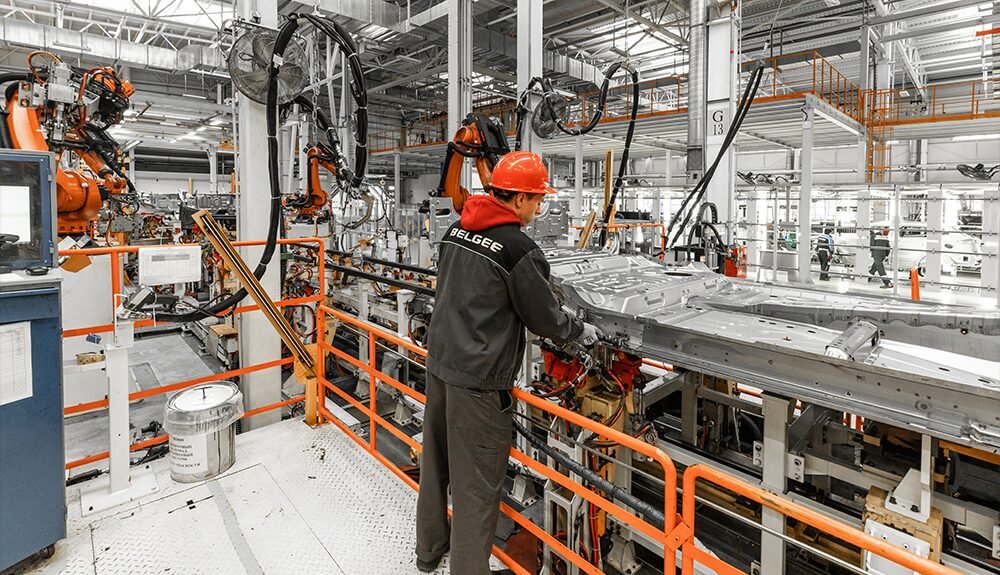
In the world of critical operations—from data centers to water treatment plants—power isn't just a convenience; it's the lifeblood. When the grid falters, an industrial generator stands as your last line of defense. But owning a generator is only half the battle. The true measure of its reliability hinges entirely on proper Industrial Generator Installation & Commissioning. This isn't a DIY project; it's a meticulously engineered process that, when executed flawlessly, ensures your business stays operational, safe, and compliant, no matter what.
Skip the shortcuts. A generator improperly installed or inadequately commissioned can lead to catastrophic failures, costly downtime, and even safety hazards. This guide will walk you through the comprehensive journey from initial site assessment to final load bank testing, equipping you with the knowledge to demand peak performance from your backup power solution.
At a Glance: Key Takeaways for Industrial Generator Installation & Commissioning
- It's a Multi-Stage Process: Installation involves site assessment, expert engineering, and professional setup, followed by meticulous commissioning.
- Precision Matters: Every step, from foundation pouring to control system integration, requires specialized expertise.
- Commissioning is Non-Negotiable: This critical final phase ensures the generator operates safely, efficiently, and reliably under real-world conditions.
- Compliance is Key: Adherence to national and local codes (NFPA, EPA, UL, etc.) protects your investment and ensures safety.
- Beyond Installation: Comprehensive support, including maintenance and emergency response, is essential for long-term reliability.
- Investment Protection: Proper installation and commissioning minimize risks of electrical faults, mechanical failures, and operational inefficiencies, safeguarding your business.
Why Your Industrial Generator Needs More Than Just a Power Outlet
An industrial generator isn't a plug-and-play appliance. It's a complex, integrated power system designed to provide robust, reliable energy for critical operations. This means careful planning and execution are paramount. From ensuring a stable power supply during emergencies to providing prime power for off-grid operations, the correct setup dictates everything.
Whether you're looking at standby generators for manufacturing, prime power for remote facilities, emergency generators for hospitals, or even sophisticated parallel systems for data centers, the fundamental principles of installation and commissioning remain crucial. These systems, ranging from 20kW to over 2MW, can handle everything from single-phase low-voltage needs to complex medium-voltage, three-phase configurations with N+1 redundancy. Understanding the scope of what you're trying to achieve is the first step in protecting your investment and ensuring uninterrupted operations.
The Foundation: A Meticulous Industrial Generator Installation Process
Installing an industrial generator is a multi-faceted project, demanding collaboration between engineers, electricians, and construction specialists. It's broken down into several critical phases, each building upon the last to create a robust and dependable power solution.
Phase 1: The Crucial Site Assessment
Before a single wrench turns, a thorough site assessment is non-negotiable. This isn't just about finding a spot for the generator; it's about understanding the entire operational ecosystem. Expert providers like Hammer Electric begin here, evaluating every factor that could impact performance, safety, and compliance.
- Load Requirements: What exact power demands will the generator face? This determines the generator's size and type (e.g., diesel, natural gas, bi-fuel, multi-fuel).
- Fuel Availability: Where will fuel be stored? What type of fuel delivery system is required? This impacts fuel system design and safety protocols.
- Space Planning: Is there adequate physical space for the generator, its enclosure, exhaust system, and maintenance access? How will this impact workflow or site logistics?
- Environmental Factors: Consider local climate, potential for seismic activity, and proximity to sensitive areas. These influence structural design and sound attenuation needs.
- Code Compliance: Noise restrictions, emissions regulations (like CPCB IV+ or AQMD Standards), local building codes, and fire codes are major considerations from day one. This proactive approach prevents costly redesigns or fines down the line.
Phase 2: Precision Engineering and System Design
Once the site assessment is complete, the blueprints come to life. The engineering phase translates requirements into a detailed, executable plan. This is where the intricacies of your power system are meticulously mapped out.
- Generator System Design: Selecting the right generator type (standby, prime, emergency, parallel) and capacity (20kW to 2MW+) with consideration for single-phase, three-phase, low voltage, medium voltage, and options like N+1 redundancy or custom solutions.
- Foundation Plans: Designing a robust concrete pad capable of supporting the generator's weight and mitigating vibration.
- Fuel System Design: From above-ground or underground tanks to fuel lines, pumps, and filtration, every component is designed for safety, efficiency, and compliance.
- Ventilation & Cooling: Engineering proper airflow to prevent overheating and ensure optimal performance. This includes louvers, fans, and ducting.
- Sound Attenuation: Planning for acoustic enclosures, silencers, and barriers to meet local noise regulations.
- Control Integration: Designing how the generator will communicate with your existing electrical infrastructure, ensuring seamless transfer and monitoring. This includes digital controllers, remote monitoring, SCADA integration, and building automation.
- Safety & Monitoring Systems: Integrating emergency shutoff, fire suppression, leak detection, exhaust monitoring, and other critical safeguards right into the design.
Phase 3: Professional Physical Installation
With detailed plans in hand, the physical installation begins. This phase requires skilled tradespeople and strict adherence to engineering specifications and safety protocols.
- Site Preparation: This involves everything from grading and pouring the foundation to trenching for electrical and fuel lines.
- Generator Placement: Using heavy lifting equipment, the generator is carefully positioned on its foundation, ensuring proper alignment and vibration isolation.
- Fuel System Connection: Securely installing fuel tanks, pumps, lines, and filtration systems, with rigorous leak testing.
- Exhaust System Installation: Connecting the exhaust piping and silencers, ensuring proper routing and compliance with emission standards.
- Electrical & Control Integration: This is where the generator becomes part of your building's electrical ecosystem.
- Automatic/Manual Transfer Switches (ATS): These critical components detect grid outages and seamlessly switch your facility's load to the generator, then back to grid power when it returns.
- Distribution Panels & Circuit Protection: Integrating the generator's output into your electrical distribution system, complete with appropriate circuit breakers and overload protection.
- Power Monitoring: Setting up systems to track voltage, current, frequency, and other critical parameters.
- Remote Monitoring: Connecting the generator's control system to a remote monitoring platform, allowing for off-site oversight and alerts.
- Safety Systems Installation: Implementing emergency shutoff buttons, fire suppression systems, spill containment, and security measures.
A properly installed generator is only as good as the systems it connects to. This is why considering all aspects of your power infrastructure, including your complete industrial generator solution, is essential for seamless operation.
The Grand Unveiling: Industrial Generator Commissioning
Installation sets the stage, but commissioning is the dress rehearsal—and the final performance. It's the rigorous process of testing and verifying every component and system to ensure the generator operates safely, efficiently, and reliably before it's put into service. This critical phase minimizes the risks of electrical faults, mechanical failures, and operational inefficiencies that can emerge under real-world stress.
Step 1: Pre-Commissioning Checks – The Initial Scrutiny
Before powering anything on, a thorough visual and manual inspection is performed. Think of it as a comprehensive health check.
- Physical Inspection: Verify the generator is securely on a level foundation, checking for any physical damage, loose connections, or misalignments between the alternator and engine.
- Fuel System Inspection: Confirm all fuel lines are leak-free, the fuel tank is properly vented and secured, and fuel filters/injectors are clear of blockages.
- Cooling System Inspection: Check radiator coolant levels, inspect cooling fan belts for proper tension, and ensure the heat exchanger is clean and unobstructed.
- Battery & Electrical System Check: Ensure the battery is fully charged, connections are secure and corrosion-free, Automatic Voltage Regulator (AVR) settings are correct, and the earthing (grounding) system is properly installed and visually sound.
Step 2: Electrical Testing – Verifying the Current
This series of tests confirms the generator's electrical output is stable, correctly configured, and safe.
- Insulation Resistance Test: Using a megger, this test measures the strength of the generator winding insulation. It's crucial for detecting potential breakdowns that could lead to electrical shorts.
- Voltage & Frequency Stability Test: The generator is run to verify stable voltage (e.g., 400V/230V or other specified values) and frequency (50Hz or 60Hz) under various simulated load conditions.
- Phase Sequence Test: For three-phase systems, this confirms the generator's phase sequence matches the connected load, preventing motor damage or system malfunction.
- Grounding & Earthing Resistance Test: This measures the resistance of the neutral and body grounding system. A recommended value of less than 1 ohm ensures effective fault protection and safety.
Step 3: Mechanical Testing – The Engine's Heartbeat
These tests focus on the engine and its ancillary systems, ensuring smooth and efficient mechanical operation.
- Engine Performance Check: The generator is started, and engineers listen for abnormal vibrations or noises. Key parameters like oil pressure, coolant temperature, and exhaust temperatures are monitored to ensure they fall within manufacturer specifications.
- Fuel Consumption Test: By running the generator at various load levels, its fuel efficiency is recorded, and proper fuel injection timing is confirmed. This helps establish operational costs and identify potential inefficiencies.
Step 4: Load Testing & Synchronization – Under Pressure
This is arguably the most critical part of commissioning. It simulates real-world demands to ensure the generator can handle its rated capacity without faltering.
- Load Bank Testing: A specialized piece of equipment called a load bank is connected to the generator. It applies incremental electrical loads, mimicking the actual power draw of your facility. The generator is progressively loaded, often up to 100% of its rated capacity, to ensure it maintains stable voltage and frequency without overheating or tripping. This test confirms the generator's ability to supply power reliably under stress.
- Synchronization Check (For Multiple DG Sets): If your facility utilizes multiple generators for increased capacity or redundancy, this test ensures they can operate in parallel. It verifies proper load sharing, phase synchronization, and seamless transfer between units, a critical feature for systems requiring scalable industrial power solutions.
Step 5: Final Safety & Compliance Checks – The Seal of Approval
The final phase ensures all regulatory and safety standards are met, providing peace of mind and legal compliance.
- Emission Compliance: Verify that the generator, particularly diesel variants, meets current emission norms (e.g., CPCB IV+ or EPA requirements).
- Acoustic Enclosure Verification: Confirm that the generator's sound attenuation measures meet local noise regulations.
- Automatic Transfer Switch (ATS) Functionality: Test the ATS thoroughly to ensure it automatically and seamlessly switches power between the utility grid and the generator during simulated outages and restorations. This is paramount for truly uninterrupted power.
Critical Components That Define Your Power System's Resilience
A generator installation is a symphony of interconnected components, each playing a vital role in ensuring reliable power delivery. Hammer Electric meticulously integrates these systems to create a robust solution.
Power Systems: Directing the Flow
These components manage how power is distributed and protected.
- Automatic/Manual Transfer Switches (ATS): The brains behind seamless power transfer, detecting grid outages and switching load to the generator.
- Distribution Panels: The central hubs for delivering power from the generator to various circuits within your facility.
- Circuit Protection: Breakers and fuses that safeguard equipment from overcurrents and short circuits.
- Load Banks: Essential tools for commissioning and ongoing maintenance, simulating real-world loads to test generator performance.
- Paralleling Gear: For multi-generator setups, this equipment ensures units work together efficiently, sharing the load evenly.
- Power Monitoring: Advanced systems that track real-time power data, allowing for optimal management and predictive maintenance.
- Battery Systems: Providing essential starting power for the generator, and sometimes backup for control systems.
Control Systems: The Intelligent Core
Modern industrial generators are smart machines, relying on sophisticated control systems for automation, monitoring, and fault detection.
- Digital Controllers: The central processing unit of the generator, managing engine functions, power output, and safety parameters.
- Remote Monitoring: Allows operators to oversee generator status, performance, and alarms from anywhere, enhancing response times.
- SCADA Integration: Connecting the generator's control system into a larger Supervisory Control and Data Acquisition network for centralized plant management.
- Building Automation: Integrating generator controls with building management systems for coordinated facility operations.
- Power Management: Systems that optimize power distribution, potentially shedding non-essential loads during peak demand or generator operation.
- System Alerts & Data Logging: Automatic notifications for issues and detailed records of operational parameters for diagnostics and historical analysis.
Safety Features: Non-Negotiable Protection
Safety is paramount in any industrial setting. Generator installations include multiple layers of protection.
- Emergency Shutoff: Clearly marked, accessible buttons that immediately shut down the generator in an emergency.
- Fire Suppression: Automatic systems designed to detect and extinguish fires within the generator enclosure.
- Leak Detection: Sensors for fuel, oil, or coolant leaks, triggering alarms to prevent environmental contamination or safety hazards.
- Exhaust Monitoring: Sensors to detect abnormal exhaust emissions or temperatures.
- Sound Attenuation: Enclosures and baffles designed to reduce noise levels to comply with local regulations and protect personnel.
- Vibration Isolation: Mounts and pads that absorb engine vibration, protecting the generator and its foundation.
- Spill Containment: Secondary containment for fuel tanks and other fluid reservoirs to prevent environmental spills.
- Security Systems: Measures like alarms, access control, and cameras to protect the generator from theft or vandalism.
Considering these critical components ensures a comprehensive approach to dependable industrial power systems.
Where Industrial Generators Make a Difference: Key Applications
The need for reliable backup or prime power spans a vast array of industries. Proper installation and commissioning are the threads that weave these diverse applications into a tapestry of continuous operation.
Industrial Applications: Powering Production and Data
- Manufacturing & Processing Plants: Preventing costly shutdowns and maintaining production lines.
- Data Centers: The ultimate critical operation, where even a microsecond of downtime can have massive financial repercussions.
- Cold Storage & Clean Rooms: Maintaining temperature and environmental controls for sensitive goods and processes.
- Research Facilities: Protecting invaluable experiments and sensitive equipment.
- Distribution Centers: Keeping logistics and inventory systems running.
- Critical Operations: Any facility where continuous power is directly linked to safety, production, or revenue.
Infrastructure Applications: Essential Public Services
- Water Treatment Facilities: Ensuring continuous water supply and waste processing.
- Communications Networks: Keeping telecommunications and internet services online.
- Emergency Services: Powering police, fire, and ambulance dispatch centers.
- Healthcare Facilities: Crucial for life support systems, operating rooms, and patient care.
- Transportation: Powering traffic control systems, airports, and railway operations.
- Public Safety & Utilities: Maintaining essential services during widespread outages.
- Military Facilities: Providing secure and reliable power for national defense.
Adhering to the Rulebook: Code Compliance & Standards
Ignoring code compliance isn't just risky; it's irresponsible. Proper Industrial Generator Installation & Commissioning must strictly adhere to a complex web of national and local regulations. These standards are in place to ensure safety, environmental protection, and operational reliability.
Hammer Electric, for instance, operates under rigorous adherence to:
- NFPA 110 (Standard for Emergency and Standby Power Systems): The benchmark for generator system design, installation, maintenance, and testing.
- NFPA 70 (National Electrical Code - NEC): Governing safe electrical installations.
- California Fire Code & Local Building Codes: Specific requirements for structural integrity, fire safety, and site development.
- EPA Requirements & AQMD Standards (Air Quality Management District): Crucial for managing generator emissions, especially for diesel units.
- UL Listings: Ensuring components and systems meet specific safety standards for electrical and mechanical integrity.
- IEEE Standards: Guiding electrical engineering practices and system integration.
Navigating these regulations requires deep expertise. A trusted provider ensures your installation isn't just functional, but also fully compliant, avoiding potential fines, operational restrictions, and safety liabilities. This regulatory framework is an integral part of any robust industrial generator deployment.
Beyond the Install: Long-Term Support and Maintenance
A generator is a significant investment, and its long-term reliability depends not just on initial installation and commissioning, but on ongoing support. Just like any complex machinery, it requires care and attention.
Comprehensive Maintenance Programs
- Preventive Maintenance: Scheduled inspections, fluid changes, and adjustments to prevent breakdowns before they occur.
- Load Bank Testing: Regular load bank tests (typically annually) are crucial after commissioning to confirm the generator can still handle its rated load, clear wet stacking in diesel engines, and identify potential issues.
- Fuel System & Battery Maintenance: Ensuring fuel quality, checking for contaminants, and maintaining battery health are vital for reliable starts.
- Control Testing: Verifying the proper function of digital controllers, remote monitoring systems, and automatic transfer switches.
- Annual Inspection & Documentation: A detailed review of the system's condition, performance, and maintenance history.
Emergency Response: When Every Second Counts
When the power goes out unexpectedly, you need immediate, expert assistance.
- 24/7 Service & Priority Response: Access to technicians around the clock, with guaranteed rapid deployment for critical situations.
- Emergency Repairs: On-site diagnostics and repairs to get your generator back online swiftly.
- Fuel Delivery & Temporary Power: Solutions for fuel shortages or interim power if repairs are extensive.
- Remote Monitoring & Technical Support: Often, issues can be diagnosed or even resolved remotely, reducing downtime.
Additional Services: Optimizing Your Power Infrastructure
Beyond standard maintenance, specialized services can enhance your generator's performance and longevity.
- Fuel Systems Upgrades: Modernizing tanks, pumps, or filtration.
- Sound Attenuation Enhancements: Further reducing noise emissions.
- Power Analysis & Load Studies: Identifying inefficiencies and optimizing power usage.
- System Upgrades & Code Updates: Keeping your generator current with technology and regulatory changes.
- Staff Training: Ensuring your team is proficient in basic operation and troubleshooting.
This ongoing commitment to maintenance and support is what truly differentiates a temporary fix from a long-term, reliable industrial power solution. It ensures your industrial generator remains a beacon of uninterrupted power for years to come. For more details on maintaining your power continuity, consider exploring comprehensive industrial generator services.
Common Questions About Industrial Generator Installation & Commissioning
How long does industrial generator installation take?
The timeline varies significantly based on generator size, site complexity, and required infrastructure. A small standby generator might take a few weeks from assessment to commissioning, while a large, multi-generator parallel system with extensive civil works could take several months. A thorough site assessment and engineering phase are crucial for an accurate timeline estimate.
What's the biggest risk of improper generator installation?
The biggest risk is operational failure when you need it most. This can range from the generator failing to start, incorrect power transfer, or output instability, to more severe issues like electrical fires, mechanical breakdown, and safety hazards, all leading to costly downtime and potential regulatory penalties.
Can I install an industrial generator myself?
Absolutely not. Industrial generator installation and commissioning require specialized electrical, mechanical, and civil engineering expertise, adherence to strict safety protocols, and compliance with numerous codes (NFPA, EPA, local building codes, etc.). Attempting a DIY installation voids warranties, creates significant safety risks, and almost guarantees non-compliance. Always use certified professionals.
Why is load bank testing so important during commissioning?
Load bank testing is vital because it simulates real-world power demands, forcing the generator to operate at various capacities, often up to 100% of its rated load. This identifies potential weaknesses, verifies voltage and frequency stability, checks cooling system efficiency under stress, and prevents "wet stacking" in diesel engines. It ensures the generator will perform reliably when your facility actually loses grid power.
What's the difference between prime power and standby power generators?
Standby generators are designed to operate only when the primary utility power fails. They typically run for shorter durations during outages. Prime power generators are designed to be the primary source of power, running continuously for extended periods, often in remote locations or facilities without access to the grid. Their design and duty cycles differ significantly.
Your Next Step: Securing Uninterrupted Power
The journey of Industrial Generator Installation & Commissioning is intricate, demanding precision, expertise, and an unwavering commitment to safety and compliance. It’s not merely about placing a machine; it's about integrating a critical lifeline into your operational infrastructure.
By understanding the detailed steps—from the initial site assessment and meticulous engineering to the professional installation and rigorous commissioning—you are empowered to choose a partner who delivers a truly resilient power solution. Remember, the true value of an industrial generator isn't just its capacity, but the assurance that it will perform flawlessly when failure is not an option.
When your business demands unwavering power, trust the professionals who live and breathe industrial generator solutions. Ensure your investment protects your operations for years to come. For further exploration of robust power solutions, consider our comprehensive overview of industrial generators for critical applications.